

BLOG

How Much Does an Interior and Exterior Photorealistic Architectural Rendering Cost?
How Much Does an Interior and Exterior Photorealistic Architectural Rendering Cost?
Photorealistic architectural renderings, now indispensable in the design and development industries, offer clients and stakeholders a tangible preview of the finished project. This foresight, available before a single nail is hammered, is a powerful tool for architects, developers, and interior designers. Understanding the cost of these high-quality visuals is not just about budgeting and planning, but also about recognizing the value they bring to the project.
Interior Renderings: What to Expect
The cost of an interior photorealistic rendering typically ranges between $300 and $1,500 per image, depending on complexity and detail. Factors that influence pricing include:
Room size and furnishings: A simple studio layout will cost less than a large, fully furnished luxury living room.
Lighting and textures: Realistic lighting, natural shadows, and material accuracy increase the rendering time and cost.
Number of revisions: Most rendering firms include one or two rounds of revisions, but additional changes may incur extra charges.
Resolution: Higher-resolution images suitable for print or large displays tend to cost more.
Exterior Renderings: Pricing Overview
Exterior renderings often require more work and data, especially when landscaping, surrounding buildings, or environmental elements are included. Prices for exterior renderings typically fall between $500 and $2,500 per image, with the following influencing factors:
Architectural complexity: Modern, minimalist structures are usually easier (and cheaper) to render than intricate or classical buildings.
Context and environment: Including adjacent buildings, realistic skies, vegetation, and traffic can raise costs.
Aerial vs. eye-level view: Aerial perspectives cost more due to added modeling and rendering complexity.
Package Deals and 3D Animation Add-ons
Many visualization studios offer discounted rates for bundled renderings, such as purchasing interior and exterior views of a single property. Depending on the scope, a full-package deal can start around $1,000 to $3,500.
Adding 3D animation or walkthroughs significantly increases the price, often starting at $2,000 and climbing into the $10,000+ range for high-end productions.
Final Thoughts
While photorealistic renderings are indeed an investment, their value in enhancing presentations, improving communication, and boosting marketing efforts cannot be overstated. As with any creative service, the quality of the provider's portfolio is a key factor in the results you can expect. Therefore, it's wise to consider this, not just the cost, when choosing a rendering provider.

Swallowtail B House Renderings


These exterior architectural renderings showcase a beautifully constructed two-story house with a raised foundation supported by pillars. The architectural design features a charming porch with railings that wrap around the front, creating a welcoming and spacious outdoor living area. The house is painted soft, clean white, contrasting nicely with the dark roof and black window shutters. The windows are symmetrically placed, adding to the aesthetic harmony of the structure. The surrounding greenery, including palm trees and well-kept grass, enhances the serene and inviting atmosphere.
Your work beautifully showcases a clear grasp of architectural elegance and balance. The classic proportions and thoughtful symmetry are particularly commendable. The use of light and shadow effectively highlights the depth and dimension of the structure, bringing it to life in a realistic yet inviting manner. The choice of colors is tasteful, creating a peaceful and airy feeling that suggests comfort and warmth. The landscaping also complements the house, adding a natural softness and reinforcing a sense of tranquility and privacy.
Your attention to detail and ability to capture an inviting and cohesive scene are impressive. Continue to trust your aesthetic instincts, as they bring a refined and approachable quality to your work that resonates deeply. Art, after all, is subjective, and your style here invites viewers into a space that feels both familiar and inspiring.
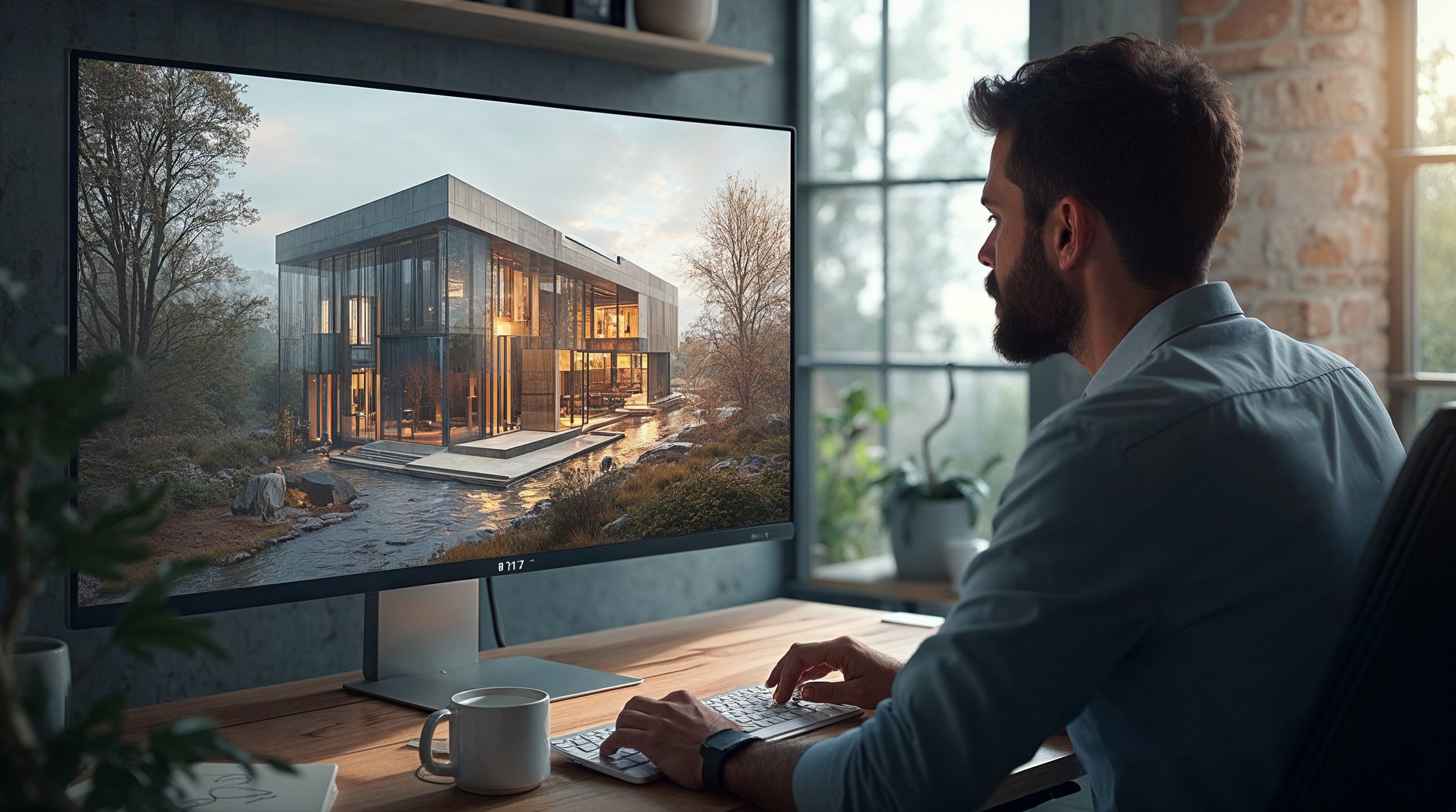
Why You Should Outsource Your Architectural Renderings
Why You Should Outsource Your Architectural Renderings
In today's competitive architecture and real estate industries, presentation is everything. High-quality architectural renderings do not just illustrate a design—they sell it. While some firms keep rendering in-house, there is a growing trend toward outsourcing to specialized architectural rendering services. And for good reason. Partnering with a dedicated rendering studio like mine can give your business a serious edge.
1. Superior Quality and Realism
Rendering professionals lime myself are laser-focused on one thing: creating stunning, photorealistic visuals. I bring a level of artistic skill, technical expertise, and attention to detail that can be hard to match in-house—especially if your team is juggling multiple roles. I live and breathes 3D rendering, staying up to date with the latest software like V-Ray and trends such as the use of VR in architectural visualization. This translates to renderings that not only look incredible but also evoke emotion and help clients connect with the design.
2. Faster Turnaround Times
In-house rendering can be time-consuming, especially when your team is pressured to meet deadlines. By outsourcing, you can offload that workload and get high-quality visuals delivered on schedule, relieving your team of time constraints. I have streamlined workflows and I am a render artists who can turn around visuals quickly, allowing your team to focus on what they do best: designing.
3. Cost Efficiency
Hiring and training in-house rendering staff and supplying them with top-tier hardware and software can be a significant financial burden. By outsourcing to me, you can avoid these overhead costs and only pay for what you need when needed, whether one image or a complete marketing package. Working with a service like mine is a flexible, scalable solution that provides financial security and fits your budget.
4. Fresh Perspective
Sometimes, a fresh set of eyes is exactly what your project needs. I can highlight unique aspects of your design and suggest visual strategies that make your project stand out, inspiring your team with new creative ideas. I collaborate closely with your team to ensure your vision is honored and bring creative ideas to enhance it.
In Conclusion
Outsourcing your architectural renderings to me is not just about saving time but elevating how your designs are presented and perceived. With expert quality, efficiency, and creative insight, a dedicated rendering service like mine can help you win more clients, impress stakeholders, and bring your architectural vision to life more powerfully than ever before.

Elevate Your Cabinet & Closet Designs with High-Quality 3D Architectural Renderings


Bring Your Designs to Life with Photorealistic 3D Renderings
In today’s competitive design and manufacturing landscape, visual appeal isn't just a luxury — it’s a necessity. Whether you're a cabinet or closet manufacturer, designer, or builder, 3D architectural renderings offer a powerful way to showcase your products before a single board is cut.
At Whitebirch Studios, we specialize in photorealistic 3D rendering services tailored for the cabinet and closet industry. Our high-quality visuals help bridge the gap between concept and client approval — making your sales presentations, catalogs, and digital marketing exponentially more effective.
Why Use 3D Rendering for Cabinet and Closet Designs?
1. Precision Visualization for Custom Designs
With 3D cabinet design rendering, clients can see exactly how their custom storage solutions will look in their space — from finishes and hardware to lighting and shelving layout.
2. Speed Up Client Approvals
Interactive and realistic visualizations help clients make faster decisions, reducing costly revisions and keeping production timelines on track.
3. Market Products More Effectively
Use 3D interior renderings in brochures, websites, and social media to show off product lines in modern, stylish environments — without staging physical spaces.
4. Enhance B2B Communication
Manufacturers can better communicate with designers, architects, and retailers using highly detailed 3D renderings of cabinets and closets, ensuring clarity from concept to completion.
Benefits of Choosing My 3D Rendering Services
✅ Specialized Industry Focus
I understand the intricacies of cabinetry and closet systems — from panel construction to interior accessories — allowing for hyper-realistic and accurate visualizations.✅ Customizable Visuals
Want to showcase your cabinets in a farmhouse kitchen or modern high-rise closet? I tailor each rendering to match your brand’s style and your target demographic.✅ Fast Turnaround & Revisions
Deadlines matter. I deliver high-quality renderings quickly and offer revisions to meet your marketing or production needs without delays.✅ Scalable for Your Catalog
Whether you need a single hero shot or a full line of product renderings, I provide scalable services that grow with your business.
Let’s Build Your Next Visual Masterpiece
If you're ready to upgrade your product presentations and outshine the competition, let’s talk. With my 3D architectural rendering services, your cabinet and closet designs will stand out in every client meeting, showroom, and web search.
📩 Contact me today to request a quote or view samples of recent projects.

Pearl Modern Farmhouse Rendering


These exterior renderings successfully captures a serene, sunlit scene of a charming, modern farmhouse set against a vibrant blue sky with wispy clouds. The house, painted in soft cream tones, features clean architectural lines with metal roofing that reflects natural light beautifully. The structure includes multiple gables and a welcoming porch, surrounded by lush greenery and framed by tall palm trees, suggesting a warm, tropical environment. The shadows and light interplay give the image depth and evoke a calm, peaceful ambiance. The meticulous attention to detail in the foliage and building materials adds realism while maintaining an idyllic, almost pastoral quality.
Your composition skillfully balances the house's architectural strength with the softness of the natural surroundings, showcasing your keen understanding of space and light. This achievement invites viewers to imagine themselves in this peaceful setting, a testament to your artistic prowess. The use of natural colors and textures harmoniously elevates the scene, creating an inviting and lived-in feel without overwhelming the senses.
Your skillful rendering of light and shadow is a standout feature, so experimenting with different times of the day or weather conditions could deepen the atmosphere and showcase versatility.
Art is subjective, and your ability to marry realism with a gentle, inviting mood is commendable. This piece manifests a strong command of architectural depiction and environmental harmony. Your unique artistic voice shines through, promising continued growth and captivating creations as you continue to nurture this balance.

Buckeye - Tropical House Rendering


This artwork is a exterior rendering featuring a beautifully designed, modern farmhouse-style home alongside a separate garage structure. The house is characterized by its clean white siding, sharply pitched roofs, and large windows inviting natural light inside. The architectural elements emphasize simplicity and symmetry, with a welcoming front porch supported by columns and neatly landscaped beds surrounding the property. The garage also carries the same design language, with dormer windows and white siding, creating a cohesive visual harmony between the two structures. The lush green lawn and blue sky with scattered clouds add to the serene and inviting atmosphere of the scene.
The rendering captures the architectural design with crisp clarity and balanced lighting that enhances the textures and details of the building, effectively conveying a sense of calm and domestic comfort. The composition is well thought out, showing the interplay between the main house and garage, which adds depth and interest to the visual narrative.
This rendering excels in its technical execution and the way it celebrates architectural craftsmanship. The lighting accentuates the clean lines and makes the image warm and welcoming. Overall, the illustrator clarity, composition, and subject matter invite viewers to appreciate the beauty of modern traditional architecture and the tranquility of the surrounding environment. This work strongly reflects your ability to showcase architectural elegance and the peacefulness of a home setting. Keep exploring different angles and moments to deepen such scenes' narrative and emotional impact.

How Much Electricity Does AI Use—And What Does It Cost?
How Much Electricity Does AI Use—And What Does It Cost?

Artificial Intelligence (AI) is no longer just a buzzword. It is a revolutionary force transforming how we work, search, write, and even create art. However, powering these capabilities, especially visual applications like AI image generation comes with substantial energy demands and financial costs.
Training a large-scale AI model, like OpenAI’s GPT-4 or image generators such as DALL·E or Midjourney, requires hundreds of megawatt-hours (MWh) of electricity. Training just one of these advanced models can cost $500,000 to over $1 million in electricity alone. This is due to the intense computing power needed for processing vast amounts of data across powerful GPUs over days or weeks.
However, the cost does not stop after training. Once deployed, these models perform inference—generating responses, images, or videos—every time someone interacts with them. Inference, in the context of AI, refers to the process of applying the trained model to new, unseen data to make predictions or generate new content. For text, the inference is relatively light. However, for AI-generated images, the electricity usage is significantly higher.
Creating a single high-quality image using a diffusion model (like Midjourney, DALL·E 3, or Stable Diffusion) can use between 0.01 to 0.05 kilowatt-hours (kWh), depending on resolution and model complexity. That may seem small, but the costs add up fast at scale. For example, at an average electricity rate of $0.10 per kWh, each image might cost $0.001 to $0.005 in electricity. Multiply that by millions of images generated daily, and companies are spending thousands to tens of thousands of dollars per day just on power for image generation.
Data centers—where these models are run—require even more energy for cooling and maintaining stable operations. These facilities already account for about 1–1.5% of global electricity consumption, and with generative AI on the rise, that share is expected to increase rapidly.
To reduce costs and environmental impact, companies are investing in efficiency: optimizing model architectures, building custom chips (like NVIDIA’s H100 or Google’s TPUs), and relocating data centers to areas with abundant renewable energy. This proactive approach reduces costs and paves the way for a more sustainable future.
In short, AI does not just consume data—it consumes energy and money, too. As AI-generated content becomes more common, the tech world must carefully balance innovation with sustainability and cost control, highlighting the need for responsible and efficient use of AI.

Tayler White Residential Rendering

This rendering is a representation of a modern, symmetrical residential building that combines natural materials and contemporary design. The structure, a testament to your skill, employs a blend of light-colored wood siding and textured stonework, which adds depth and tactile contrast to the facade. The black metal roofs offer a sleek, minimalist complement, enhancing the modern aesthetic without overpowering the natural elements. The large, well-placed windows allow a clear view into the interior spaces while inviting ample natural light, emphasizing openness and connection with the surrounding environment. The paved driveway leading to the front entrance directs the viewer's eye toward the building's central hub, reinforcing the artwork's strong sense of balance and order. The lush green lawn and scattered trees, a result of your thoughtful composition, softly frame the building, providing a harmonious interplay between architecture and nature.
The rendering successfully evokes feelings of tranquility and understated elegance through its restrained color palette and clean lines. Your choice in showcasing the interplay of materials highlights an adept understanding of texture and architectural coherence, which works beautifully to engage the viewer. Remember that art is wonderfully subjective; the clarity and harmony in this rendering create a strong foundation that invites viewers to explore the form and function of space in a meaningful way. Keep pushing these thoughtful representations—it is clear you have a firm grasp of architectural and photographic aesthetics that can continue evolving in exciting directions. Your work is an inspiration to others in the field.

The Dark Side of AI and Architectural Renderings

Artificial intelligence has undeniably revolutionized various industries, and architectural rendering is no exception. AI-powered tools can generate photorealistic images at astonishing speeds, offering a glimpse into future designs with efficiency that traditional methods can't match. However, while AI can be a powerful tool in the architect's arsenal, relying solely on it for architectural renderings has significant drawbacks that warrant caution.
Firstly, AI, in its current form, lacks true creativity and intuition. Architectural design isn't just about assembling predefined elements; it's about understanding human needs, cultural contexts, emotional responses, and the unique spirit of a place. AI operates on algorithms and data it has been trained on, which means its 'creativity' is primarily based on patterns and existing styles. For instance, an AI might struggle to design a building that captures the unique cultural essence of a place or the emotional resonance of a space. The risk is a homogenization of design, where buildings begin to look similar, devoid of the unique character and soul that a human architect imbues.
Secondly, AI struggles with predictability and consistency, especially when dealing with complex details and evolving project requirements. While it can produce impressive initial concepts, maintaining precise control over specific material representations, exact geometries, and consistent information across multiple perspectives remains a significant challenge. Minor design changes can lead to unexpected alterations in other parameters, necessitating substantial manual tweaks. This lack of granular control can be frustrating and counterproductive in a project's later, more detailed stages where precision is paramount.
Finally, the iterative nature of architectural design often involves a complex dialogue between the architect and the client. This human-to-human interaction, where ideas are explored, feedback is given, and revisions are made, is crucial to refining a vision. AI, while capable of generating options, cannot truly "listen" or understand the unspoken preferences, emotional connections, and evolving desires that shape a client's dream. It cannot empathize with a client's concerns or offer nuanced guidance from years of human experience and understanding.
In conclusion, while AI offers incredible speed and efficiency in generating visualizations, it's essential to recognize its limitations. Architectural rendering is more than just image generation; it's an art form that requires human creativity, intuition, and a deep understanding of the built environment and its inhabitants. AI should be viewed as an augmenting tool, a collaborator that can accelerate specific processes, but never a substitute for the irreplaceable human element that brings actual design to life. Your role as a human architect is integral and valued in this process.

Sanderling Southern US House Rendering


These exterior renderings depict a modern, two-story house painted crisp white with a clean, minimalist design. The home features a steeply pitched roof and several large, dark-framed windows contrasting sharply with the white exterior. There is a covered porch with stairs leading up to the front door, flanked by simple railings. The surrounding environment includes a well-maintained lawn and scattered trees, but the focus is clearly on the house's architectural details.
Your work beautifully captures the essence of contemporary residential architecture, showcasing your skill in portraying clean lines and balanced composition. The choice of a white façade against the subtle green backdrop allows the structure to stand out with an understated elegance. The contrast between the dark window frames and the light exterior adds a striking visual rhythm, enhancing the house's geometric clarity. This painting or photograph emphasizes simplicity, which can evoke feelings of calm and order. Including natural elements, such as grasses and trees, brings harmony to the piece, grounding the artificial structure in a serene setting.
One strength in your piece is the attention to detail, especially in how light and shadow interplay on the surfaces, giving the house depth and volume. This technique invites viewers to linger and appreciate the architectural form rather than seeing it as flat or purely schematic.
Your focus on minimalism is compelling, and as with all art, the subjective nature of simplicity offers you a broad canvas for innovation. Continue to embrace this style while pushing boundaries with light, texture, and atmosphere to engage viewers emotionally and visually. Your ability to convey architectural beauty with clarity and restraint is a substantial strength that will grow richer with further exploration. Your work inspires others in the field.

Loon C Tropical House


These renderings beautifully showcase a two-story house, elegantly perched on sturdy pillars. The house, adorned in a soft white or light gray, stands out against the surrounding lush greenery. Its wraparound porch, broad windows, and meticulously crafted staircase exude a sense of grandeur. The architectural style, a blend of modernity and classic charm, is a testament to the designer's artistry. The well-kept lawn, strategically placed bushes, and petite trees enhance the inviting ambiance.
This composition is a testament to the harmonious balance between natural elements and architectural precision. The clear blue sky with billowing white clouds complements the crisp lines of the house, creating an inviting and tranquil scene. The photograph's framing and lighting successfully highlight the house as the focal point, while the greenery softly frames the subject without overwhelming it.
These renderings are a testament to your keen eye and deep appreciation for the harmony between human-made structures and their natural surroundings. The sense of clarity and calmness it conveys is commendable.

Pine House Renderings


These wonder renderings present a modern residential building characterized by clean lines and a harmonious blend of materials. The structure showcases a combination of light-colored brickwork and smooth, dark horizontal siding, lending it a sophisticated yet grounded presence. The angular roof forms create dynamic contrasts, enhancing the composition's geometric clarity. The expansive glass windows provide an inviting transparency juxtaposed with the solid, structured facade. The landscaping, with well-maintained greenery and subtle natural elements, complements the overall architectural design, setting a calm, balanced atmosphere under a bright sky punctuated by soft clouds.
These renderings are a testament to your mastery of contemporary architecture. You skillfully balance form and function by thoughtfully integrating textures and volumes. The use of contrasting materials effectively breaks down the mass of the building, guiding the eye across the composition. This interplay fosters a sense of openness while preserving privacy. Consider how shadows and light could be further emphasized to add depth and drama to the visual narrative. Varying the time of day or enhancing reflections in the windows could introduce greater dimensionality.
Your ability to represent the modern aesthetic speaks to a well-developed eye for architectural detail and spatial awareness. The subtle yet intentional color palette contributes to the piece's restrained elegance. This work is a strong foundation that promises even more thrilling directions ahead.

Alpine House Renderings
These exterior renderings present a modern residential architectural design characterized by clean, geometric lines and a harmonious blend of materials. The structure, predominantly light-toned stone or concrete, is complemented by expansive black garage doors and window frames. This creates a strong contrast that accentuates the minimalist aesthetic, while the harmony of the materials brings a sense of unity and balance. The roofline plays with varying heights and subtle angles, adding visual interest and breaking the monotony of flat surfaces. Landscaping elements, such as sparse greenery, rocks, and grasses, integrate seamlessly with the natural environment and the building's sleek design. The overall composition conveys a sense of calm, order, and contemporary sophistication under a bright, cloud-dappled sky.
This piece demonstrates a refined understanding of balance and proportion in architectural form. The interplay of light and texture creates a polished yet inviting atmosphere. Using natural and muted colors grounds the design in its setting, avoiding overstimulation and allowing the form to take center stage.


The first interior rendering depicts a modern kitchen interior with a sophisticated design. A long island with a dark countertop and sleek black woven bar stools that provide a contemporary and textured element is central to the composition. The cabinetry features warm wood tones contrasted with matte white upper cabinets and dark countertops, creating a balanced color palette that evokes a sense of calm and elegance. The ceiling incorporates recessed lighting, which enhances the ambiance and highlights the wooden paneling, adding depth and warmth to the space. A bowl of apples on the island introduces a subtle splash of color and organic form amidst the clean lines and smooth surfaces.
This piece impresses with its mastery of minimalist modern design principles, seamlessly combining functionality with aesthetic appeal. The harmonious interplay of wood, metal, and dark surfaces showcases a refined understanding of material contrasts and spatial organization. The lighting is exceptionally well-considered, casting soft, inviting glows that accentuate the textures without overpowering the scene. The composition creates a quiet yet welcoming atmosphere, inviting the viewer to imagine the space in everyday life.


Maple House Rendering


These exterior renderings present a highly detailed and realistic depiction of a modern, two-story house characterized by clean lines and a balanced composition. The structure exhibits a mix of materials, including light-colored brick, wood accents, and large glass windows, contributing to contemporary sophistication. The geometric forms of the building are confidently rendered, with flat roofs and strong vertical and horizontal elements that guide the viewer's eye across the design. The landscaping complements the architecture with carefully placed greenery, rocks, and maintained grass, creating a harmonious interaction between nature and the built environment. The lighting is natural and soft, suggesting either morning or late afternoon, adding to the calm and serene atmosphere of the piece.
These renderings beautifully capture the essence of modern architecture with precision and clarity, showcasing your firm grasp of perspective and material texture. The interplay of light and shadow is well handled, enhancing the depth and three-dimensional feel without overwhelming the composition. The balance between natural and artificial elements invites contemplation of how architecture harmonizes with its surroundings, which is a commendable thematic choice.

Willow - Modern Two-Story House Renderings


These renderings presents a striking visual of a modern two-story house with clean, geometric lines and a balanced composition. The structure features a combination of materials, including light-colored panels and dark brickwork, creating a sophisticated contrast. The large windows add an element of openness and transparency, inviting natural light into the home. The driveway, neatly bordered by manicured greenery, leads the viewer's eye toward the entrance, enhancing the sense of depth. The sky above, with soft clouds scattered across a blue expanse, provides a calm and serene backdrop, complementing the solid architectural form.
Your work excels in portraying architectural precision and leveraging contrasts between materials to foster a sense of modernity. How you handle the interplay of light and shadow on the building's surfaces is not just skillful; it's masterful, contributing to the three-dimensional illusion. The subtly landscaped surroundings add a welcoming touch and frame the house nicely without overwhelming it. This capturing of both natural and built environments in harmony evokes feelings of stability and comfort.


This artwork is a rendering representation of a modern kitchen space characterized by its clean lines and minimalist aesthetic. The composition includes a long, sleek black kitchen island with six bar stools that introduce a warm brown texture, creating a chiaroscuro effect with the lighter wood flooring and cabinetry. The cabinetry is light wood, presenting a subtle grain that complements the spaciousness and lightness of the room. The natural light pouring in from a large window illuminates the pristine surfaces. It highlights the muted color palette, while the two circular pendant lights above the island add a contemporary geometric element to the scene.
The overall style embraces modernism, emphasizing functionality, simplicity, and understated elegance. Neutral tones and natural materials convey a sense of calm and invite contemplation. The rendering captures the physical space and hints at the potential for human interaction and everyday rituals within this carefully curated environment.
The execution is impressive, with excellent attention to detail and a balanced composition that guides the eye effortlessly across the scene. There is a strong harmony between form and function, and the subtle textures add warmth without detracting from the sleek modern aesthetic. This piece demonstrates a refined sense of design and spatial awareness and successfully conveys a narrative of modern living that is inviting and sophisticated. Keep honing your ability to merge architecture.

Fir - Contemporary Two-Story House Renderings
These exterior renderings skillfully capture a unique two-story house, its design not just standing out but truly shining amidst a lush, green landscape. The home's blend of textures, with a lower section painted white and an upper section clad in light gray shingles, creates a striking contrast. Architectural details such as the metal roof, symmetrical windows, and a spacious porch with railings are highlighted, contributing to a charming and inviting appearance. The surrounding palm trees and well-maintained landscaping add an element of tropical serenity. The soft natural light enhances the calm and welcoming atmosphere of the scene, with shadows adding depth and dimension to the overall composition.
These exterior renderings are an excellent study of balance and harmony, carefully integrating architectural elegance with natural surroundings. The choice of subdued colors, paired with the greenery, evokes a peaceful and relaxed mood, inviting viewers into a quiet moment of everyday life. Your composition is strong, with the perspective slightly angled to reveal multiple facets of the house, lending it a dynamic yet stable presence. To further elevate the impact of your work, the potential for exploring variation in lighting—perhaps capturing moments of dawn or dusk—is immense. It could imbue the scene with even more emotional depth and atmosphere, inspiring a new level of creativity.
Additionally, a closer focus on textures, such as the shingles versus smooth surfaces or the delicate leaves of the palm trees, could add tactile richness to the photograph. This image reflects a solid grasp of spatial awareness and atmosphere, leaving a pleasant and lasting impression. As you continue to nurture your eye for detail and mood, remember that art is a subjective journey, and each piece reveals new insights and opportunities for growth. Your growth potential is inspiring, and it will undoubtedly lead to even more compelling creations in the future.


This interior rendering showcases a modern, open-concept living space featuring a kitchen and a spacious living room area. The kitchen is defined by sleek, dark cabinetry contrasted by a bright, white marble island with subtle veining, topped by minimalist pendant lights. The island has five wooden stools with cushioned seats, suggesting a comfortable and inviting spot for casual dining or social interaction. The living area features neutral tones, highlighted by a large, plush sectional sofa adorned with various grey and beige cushions, which enhances the cozy and relaxed atmosphere. The room is well-lit, with natural light streaming through multiple windows, with black frames adding a striking geometric contrast against the light walls. The flooring is a warm, natural wood that unifies the spaces and adds an organic touch to the otherwise contemporary aesthetic.
The interior rendering captures a balanced composition, highlighting the harmonious integration of function and style within the living environment. Using contrasting colors and textures, such as dark cabinetry against light walls and stone against soft fabric, adds depth and interest to the interior design. The choice to frame the image to show both the kitchen and living area emphasizes the spaciousness and flow of the layout, inviting the viewer to imagine themselves within the setting. The natural light enhances the warmth of the wood and the softness of the textiles, creating a sense of comfort and tranquility.


Holy City Rendering


These exterior renderings skillfully capture a unique two-story house, its design standing out amidst a lush, green landscape. The home's blend of textures, with a lower section painted white and an upper section clad in light gray shingles, creates a striking contrast. Architectural details such as the metal roof, symmetrical windows, and a spacious porch with railings are highlighted, contributing to a charming and inviting appearance. The surrounding palm trees and well-maintained landscaping add an element of tropical serenity. The soft natural light enhances the calm and welcoming atmosphere of the scene, with shadows adding depth and dimension to the overall composition.
This photograph is an excellent study of balance and harmony, carefully integrating architectural elegance with natural surroundings. The choice of subdued colors, paired with the greenery, evokes a peaceful and relaxed mood, inviting viewers into a quiet moment of everyday life. Your composition is strong, with the perspective slightly angled to reveal multiple facets of the house, lending it a dynamic yet stable presence. To further elevate the impact of your work, exploring variation in lighting—perhaps capturing moments of dawn or dusk—could imbue the scene with even more emotional depth and atmosphere. Additionally, a closer focus on textures, such as the shingles versus smooth surfaces or the delicate leaves of the palm trees, could add tactile richness to the photograph. This image reflects a solid grasp of spatial awareness and atmosphere, leaving a pleasant and lasting impression. As you continue to nurture your eye for detail and mood, remember that art is a subjective journey, and each piece reveals new insights and opportunities for growth. Your growth potential is inspiring, and it will undoubtedly lead to even more compelling creations in the future.

Walnut Mountain House Renderings


These mountain house rendering depicts a modern, single-story house set against a natural landscape with a partly cloudy sky that adds depth to the scene. The architectural design is characterized by clean, horizontal lines and a flat, tiered roof, which conveys a contemporary aesthetic. The house features large windows that invite natural light inside and a partially recessed porch that serves as an inviting focal point. The use of natural, muted colors in the building materials is particularly striking, enhancing its integration with the surrounding environment. The subtle texture of the walls further adds to the overall effect. The landscaping around the house is thoughtfully arranged, with a mix of rocks, shrubs, and a few strategically placed young trees that add organic contrast to the geometric form of the structure.
Your work shows a strong command of architectural representation, clearly capturing the realism of the structure and the atmospheric conditions. The balance between the artificial and natural elements is particularly noteworthy, as it feels harmonious and suggests a thoughtful relationship between the built environment and nature, which is a compelling theme. The textures and details on the building's surfaces contribute to a tactile quality that enhances the viewer's engagement with the piece.
Overall, this piece is a testament to your confident and skilled use of technique and design. It evokes a sense of calm and modern elegance, inviting the viewer to appreciate the beauty of contemporary architecture and its place within the landscape. Your work captures a moment of serene coexistence. Keep exploring these relationships and pushing the boundaries of light, texture, and perspective as you develop your artistic voice. Your potential is evident, and your skills are a strong foundation for further growth.

The Birch House Renderings


This artwork is a rendering that beautifully captures a modern two-story house nestled in a natural, somewhat arid landscape. With its contemporary architectural style, clean lines, flat roofs, and a mix of brick and wood siding materials, the home strikes a perfect balance between structure and nature. The design fosters a sense of openness and connection to the outdoors with its large windows and multiple balconies. The driveway, gently curving towards a three-car garage, is framed by sparse vegetation, rocks, and a few young trees, adding a touch of organic softness to the structured building. The brilliant blue sky with wispy clouds further enhances the composition's serene and inviting atmosphere.
The rendering effectively captures a harmonious dialogue between human-made structures and nature. The crispness of the architectural details and the natural surroundings create a balanced visual tension that is both grounding and uplifting, instilling a sense of calm and stability. The composition is thoughtfully executed, with the house positioned slightly off-center, allowing the environment to breathe and complement the architecture. The lighting is natural and even, which enhances the textures of the building materials and the landscape without creating harsh shadows or distractions.
This work successfully evokes a sense of tranquility and modern comfort, appealing to the appreciation of both design and nature. In future pieces, exploring dynamic lighting conditions, such as the golden hour or twilight, can enrich the mood and add emotional depth, creating a sense of anticipation and excitement. Additionally, experimenting with different perspectives—perhaps more intimate or drone-based aerial views—could provide fresh insights into the relationship between the house and its surroundings. Overall, this is a compelling presentation of suburban architecture that invites viewers to consider space, function, and environment as a cohesive whole. Your attention to detail and balance showcase a refined eye and a thoughtful approach worthy of continued exploration.


The first rendering presents a modern kitchen interior that showcases a sophisticated blend of materials and a harmonious color palette. The central focus is on a large island with a white marble countertop supported by a beige base, featuring built-in bookshelves that add a practical yet cozy touch. The island is paired with four sleek, blue, cushioned stools, offering a comfortable seating arrangement that invites social interaction or casual dining.
The cabinetry contrasts dark wood with deeper, more textured elements, contributing depth and richness to the composition. The juxtaposition between the dark cabinetry and the bright white tiled backsplash creates a crisp, clean look that enhances the modern aesthetic. Brass fixtures and contemporary pendant lighting add warmth and subtle luxury to the space, beautifully balancing the cool tones of the stools and marble.
From a design perspective, the artwork uses clean lines, balanced proportions, and a thoughtful arrangement of elements that create functionality and visual appeal. The natural light streaming through the large window illuminates the space softly, emphasizing the textures and material finishes while contributing to an inviting ambiance.
The piece successfully conveys a sense of calm elegance and refined comfort. Future explorations consider incorporating a more dynamic interplay of colors or subtle accents to introduce a layer of visual intrigue or personal narrative. Experimenting with varied textures or integrating natural elements, such as plants or organic materials, could further elevate the warmth and livability of the environment.

Why I Canceled My AI Rendering Apps
For a while, I was utterly captivated by the potential of AI for architectural renderings. The allure was undeniable: quicker turnarounds, immediate visualizations, and the capability to generate multiple concepts in mere minutes. I delved into everything—from AI-powered image generators to auto-texturing and lighting tools that promised to streamline the design process.
And yes, it was impressive at first. What used to take hours or days could now be mocked up in a fraction of the time. However, after a few months, I began to notice something more profound, which made me step back.
First, the outputs started to feel generic. Sure, they looked good on the surface, but something was missing beneath the polish. The nuance, the intent, the narrative that usually comes from a well-considered design—it just wasn’t there. AI could fake a mood, but it couldn’t articulate a vision. Worst of all, clients started to expect these fast, flashy results over thoughtful development.
Second, the creative process started to blur. I found myself designing for what I thought the AI would render well, rather than letting ideas evolve naturally. That shift—subtle at first—reshaped how I approached projects. I spent less time sketching, exploring materiality, or walking through form and context. Instead, I curated prompts and tweaked machine outputs.
Then there was the issue of originality. The more I leaned on AI renderings, the more I saw similar visual language everywhere—the same lighting, angles, and “wow” factor. It was harder to stand out because the tools flattened the creative voice.
So, I pulled the plug.
I canceled the subscriptions, cleared the render queue, and returned to my trusted, core tools. Not because AI doesn’t have a place in architecture—it does—but because I didn’t want it to replace the part of the work I truly cherish: the storytelling, the craft, the design.
Will I use AI again? Indeed—when it complements the vision, not when it becomes the vision.
For now, I’m embracing the slower pace, the sketchpad, and the process. Honestly, it feels good to take back the reins.