

High-End Imagery Increases Perceived Value and Emotional Buy-In
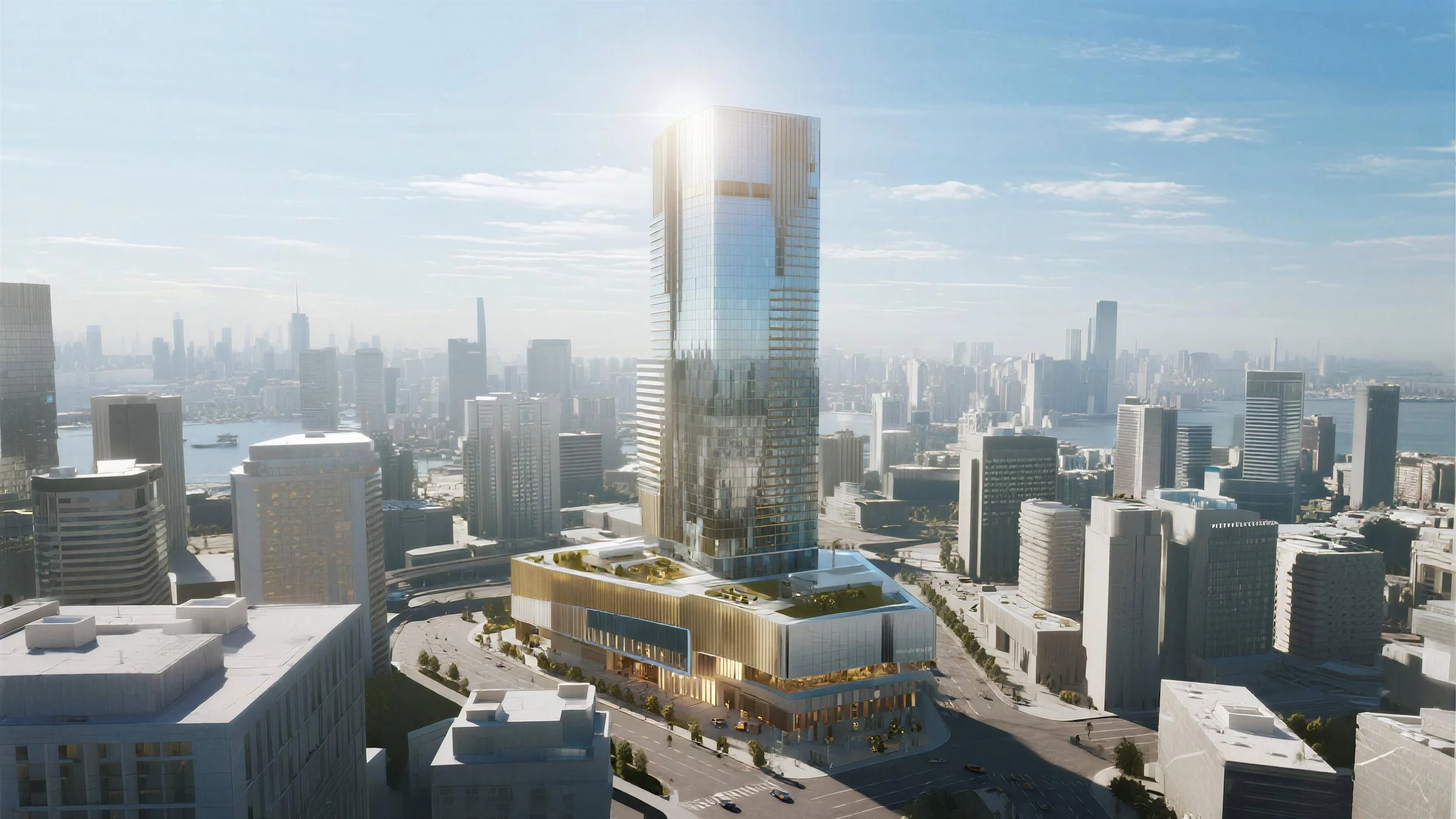
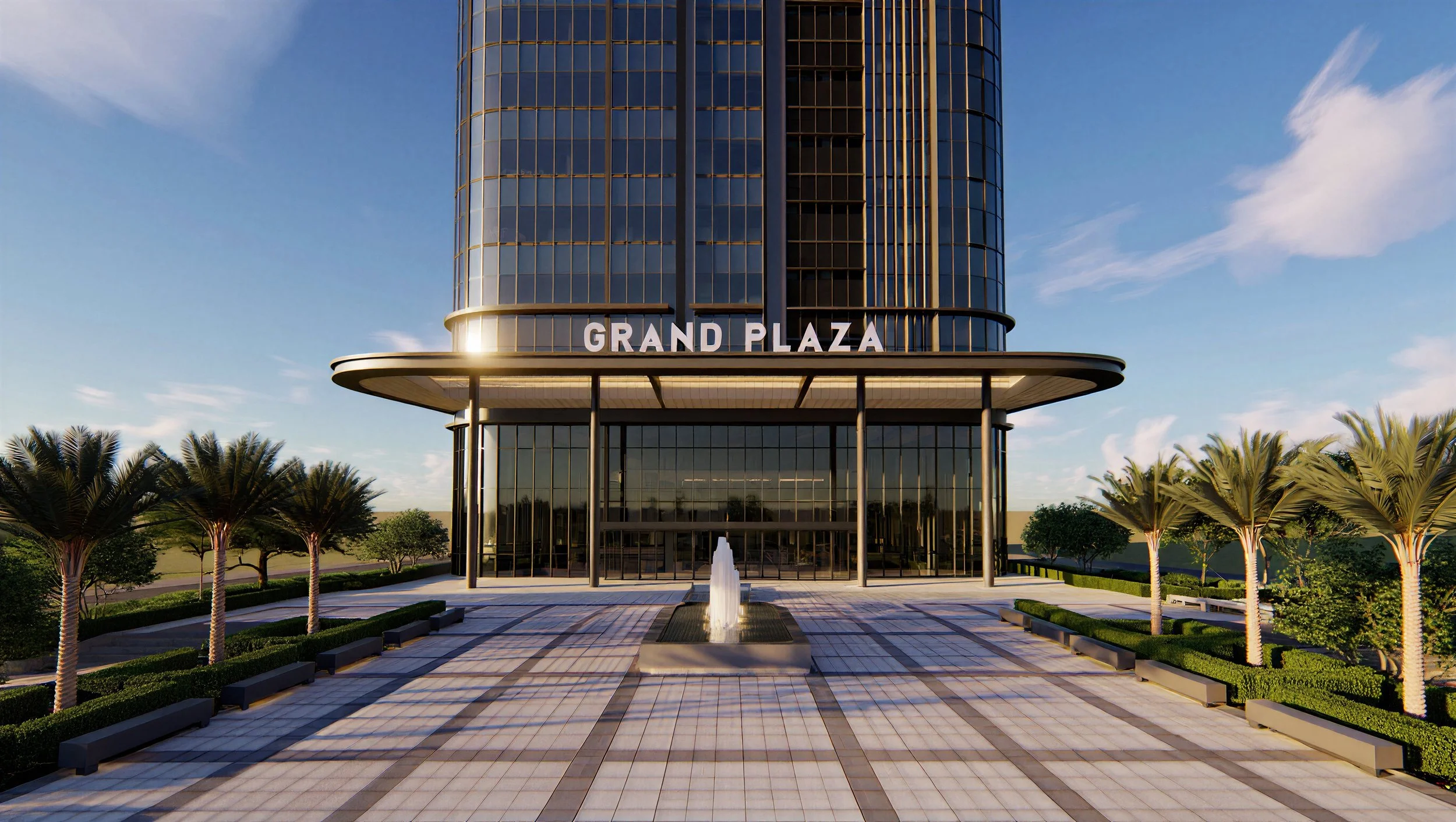
In architecture and real estate, perception is everything. Long before a building is constructed, decisions are made based on how a project is felt, not just how it is measured. This is where high-end architectural visualization becomes far more than a presentation tool—it becomes a value multiplier that directly impacts client decision-making and investment confidence.
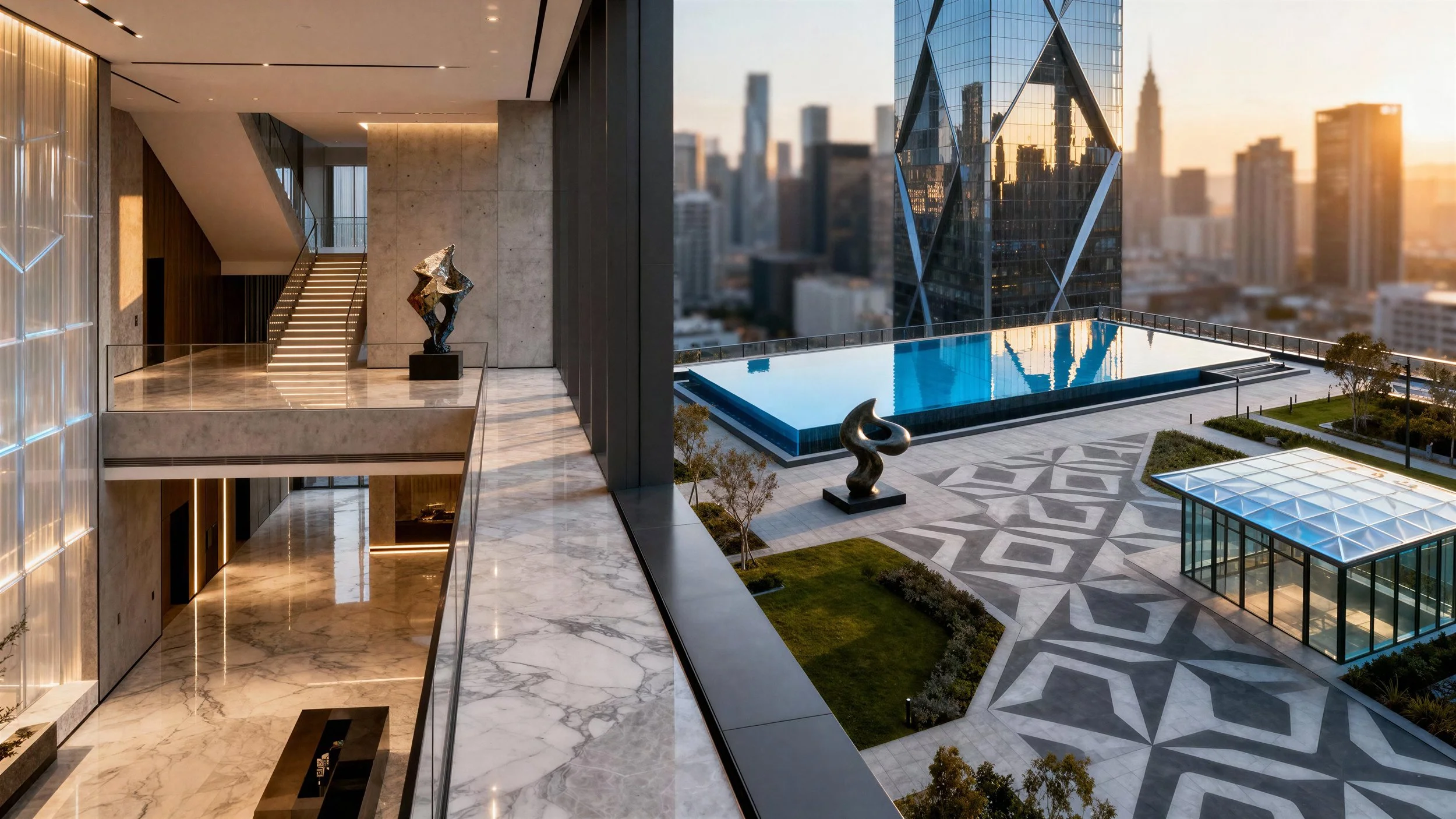
High-quality imagery instantly elevates perceived worth. When a client, investor, or buyer encounters a refined, cinematic visualization, the project feels premium by association. Materials appear richer, spaces feel more intentional, and the overall design communicates confidence. The mind naturally connects polish with quality. If the visuals look considered and expertly crafted, the assumption is that the architecture behind them is as well.
But perceived value is only part of the equation. Emotional buy-in is what truly makes clients feel confident and connected, encouraging them to move forward.
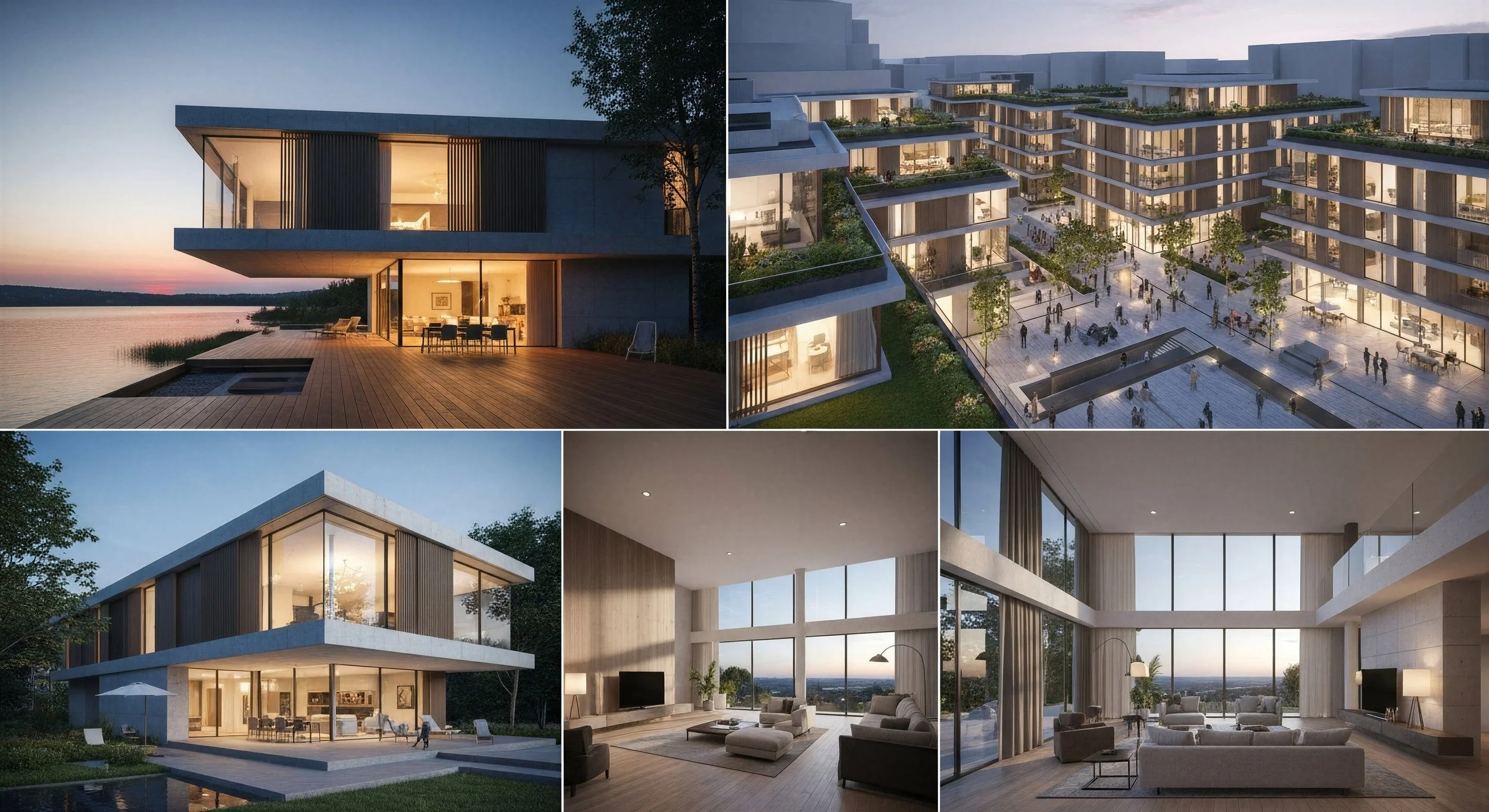
People don’t fall in love with floor plans. They fall in love with moments. The way morning light spills across a kitchen island—the calm of a bedroom at dusk. The sense of arrival as a home reveals itself from the street. High-end imagery captures these moments and translates abstract ideas into lived experiences. It allows viewers to imagine themselves inside the space, not just looking at it.
Emotion builds trust. When clients see clear visuals of what they’re investing in, they feel reassured and confident. Questions are answered visually instead of verbally, making them feel understood and secure.
In competitive markets, this emotional clarity becomes a strategic advantage. Projects presented with cinematic lighting, realistic materials, and carefully composed scenes evoke aspiration, making them feel more desirable and compelling.
For real estate, the impact is even more direct. Buyers are far more likely to commit emotionally—and financially—when they can visualize a lifestyle, not just a structure. High-end imagery sells the promise of a good life. It transforms a product into a desire.
Ultimately, architectural visualization isn’t about making things look pretty. It’s about communicating value before it physically exists, justifying the investment in high-quality imagery by showing its role as a bridge between vision and belief. When done well, imagery transforms initial costs into strategic advantages that increase the likelihood of project approval.
If architecture is the idea, high-end visualization is the feeling that makes people say yes.